
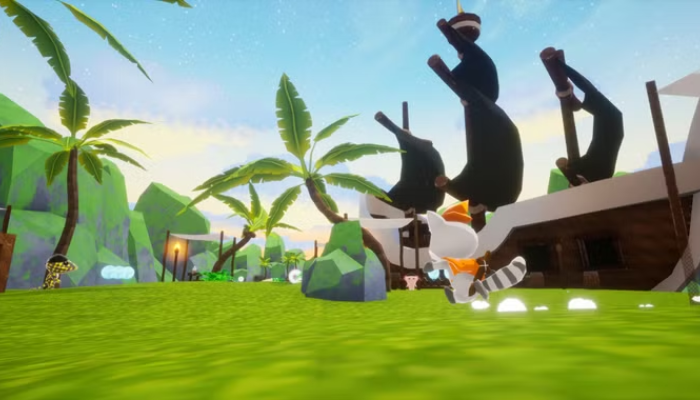
The pilfer game has steadily gained attention among enthusiasts who enjoy strategic thinking, quick decision-making, and a hint of playful competition. Whether played casually among friends or approached with a more tactical mindset, the pilfer game offers a unique blend of excitement and unpredictability. Its appeal lies in its simplicity on the surface and depth beneath, making it accessible to beginners while still engaging for experienced players.
In this comprehensive guide, we will explore everything you need to know about the pilfer game—from its basic concept to advanced strategies that can give you a competitive edge. If you’ve ever been curious about how the pilfer game works or how to improve your performance, this article will serve as your complete resource.
Understanding the Basics of the Pilfer Game
The pilfer game is typically centered around the idea of acquiring items, points, or advantages—often by cleverly “pilfering” or taking opportunities before others do. Depending on the variation, the game may involve cards, tokens, or even physical objects. The central mechanic revolves around timing, observation, and calculated risk-taking.
At its core, the pilfer game is easy to learn. Players take turns performing actions such as collecting resources, trading, or subtly taking advantage of opportunities presented during gameplay. However, the simplicity of these rules does not mean the game lacks depth. In fact, the true challenge lies in anticipating opponents’ moves and acting at just the right moment.
Another defining aspect of the pilfer game is its flexibility. It can be adapted to different group sizes, skill levels, and settings. Whether played in a relaxed environment or a more competitive setting, the game maintains its core appeal. This adaptability is one of the reasons the pilfer game continues to grow in popularity.
Key Rules and Gameplay Mechanics
To truly enjoy the pilfer game, understanding its rules and mechanics is essential. While variations exist, most versions share common elements that define the gameplay experience. Players typically begin with equal resources or positions, ensuring fairness at the start.
During each turn, players may perform actions such as collecting items, exchanging resources, or strategically taking from a shared pool. The “pilfering” aspect often comes into play when players seize opportunities to gain an advantage—sometimes directly affecting other players’ progress. This dynamic creates a lively and interactive environment where no move goes unnoticed.
Another important mechanic is the element of risk versus reward. Players must decide whether to play it safe or take bold actions that could either lead to significant gains or unexpected setbacks. This balance keeps the pilfer game engaging and ensures that no two sessions feel the same.
Additionally, many versions include a scoring system or end condition, such as reaching a certain number of points or being the last player with resources. Understanding these conditions allows players to plan their strategies more effectively and stay focused on their ultimate goal.
Effective Strategies to Win the Pilfer Game
Mastering the pilfer game requires more than just understanding the rules—it demands strategic thinking and adaptability. One of the most effective strategies is observation. Paying close attention to other players’ actions can reveal patterns, intentions, and potential weaknesses that you can exploit.
Timing is another crucial factor. Knowing when to act is often more important than what action you take. For instance, waiting for the right moment to pilfer resources can maximize your gain while minimizing the risk of retaliation. Patience and awareness go hand in hand when developing a winning strategy.
Resource management also plays a key role in the pilfer game. Players who manage their assets wisely are more likely to succeed in the long run. This includes knowing when to conserve resources and when to use them aggressively to gain an advantage. Balancing short-term gains with long-term planning is essential.
Finally, adaptability is what separates good players from great ones. The pilfer game is inherently unpredictable, and rigid strategies can quickly become ineffective. Being able to adjust your approach based on the evolving game state ensures that you remain competitive, regardless of the circumstances.
Why the Pilfer Game Is So Popular
The growing popularity of the pilfer game can be attributed to several factors. One of the most significant is its accessibility. Unlike many complex games that require extensive learning, the pilfer game can be picked up quickly, making it ideal for players of all ages and experience levels.
Another reason for its appeal is the social interaction it encourages. The pilfer game thrives on player engagement, whether through friendly competition, strategic alliances, or playful rivalries. This interactive element makes it a great choice for gatherings, parties, and casual meetups.
The game also offers a perfect balance between luck and skill. While chance may influence certain outcomes, strategic decision-making ultimately determines success. This combination keeps players invested and ensures that every session feels fresh and exciting.
Additionally, the pilfer game’s versatility allows it to be customized in countless ways. Players can introduce new rules, modify existing ones, or create entirely new variations. This flexibility keeps the game from becoming repetitive and ensures its long-term appeal.
Tips for Beginners to Get Started
If you’re new to the pilfer game, getting started can feel both exciting and overwhelming. The first step is to familiarize yourself with the basic rules and objectives. Understanding how the game works will give you the confidence to participate and enjoy the experience.
Start by playing with a relaxed mindset. Instead of focusing solely on winning, take the time to observe how the game unfolds. Pay attention to how experienced players approach their turns and learn from their strategies. This hands-on experience is one of the best ways to improve your skills.
Another helpful tip is to stay flexible in your approach. As a beginner, it’s important to experiment with different strategies and see what works best for you. Don’t be afraid to take risks or try new tactics—every game is an opportunity to learn and grow.
Lastly, remember that the pilfer game is meant to be fun. While competition can add excitement, the true value lies in the enjoyment and interaction it brings. Keeping a positive attitude will enhance your experience and make you a more enjoyable player to compete with.
Conclusion
The pilfer game is a captivating blend of strategy, timing, and social interaction that continues to attract players from all walks of life. Its simple rules make it accessible, while its depth ensures lasting engagement. Whether you’re a beginner or an experienced player, there’s always something new to discover and master.
By understanding the basics, refining your strategies, and embracing the dynamic nature of the game, you can fully appreciate what makes the pilfer game so special. As you continue to play and improve, you’ll find that each session offers a unique and rewarding experience.
FAQs About Pilfer Game
1. What is the pilfer game?
The pilfer game is a strategic and interactive game where players collect and sometimes “steal” opportunities or resources to gain an advantage.
2. Is the pilfer game suitable for beginners?
Yes, the pilfer game is easy to learn and ideal for beginners while still offering depth for experienced players.
3. How many players can join a pilfer game?
The game is flexible and can accommodate small or large groups, depending on the variation.
4. What skills are important in the pilfer game?
Observation, timing, strategy, and adaptability are key skills for success.
5. Does luck play a role in the pilfer game?
Yes, luck can influence certain aspects, but skill and strategy are more important overall.
6. Can the pilfer game be customized?
Absolutely. Players often modify rules to suit their preferences and create unique versions.
7. How long does a typical pilfer game last?
Game duration varies but usually ranges from 20 minutes to an hour.
8. What is the main objective of the pilfer game?
The objective is to accumulate the most resources or points by the end of the game.
9. Are there different versions of the pilfer game?
Yes, there are many variations, each with its own rules and twists.
10. What is the best way to improve at the pilfer game?
Practice regularly, observe other players, and experiment with different strategies to enhance your skills.