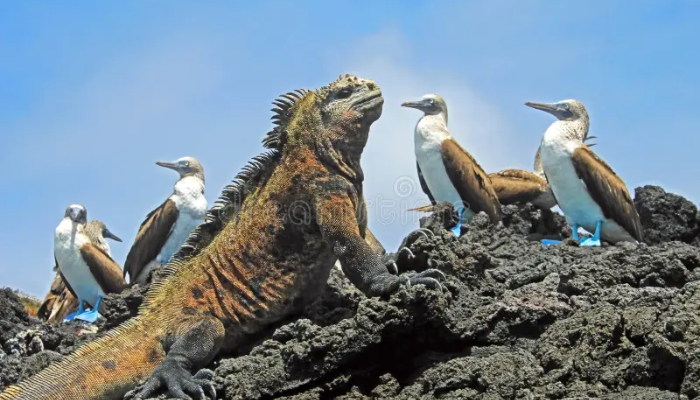
Booby Day is a unique and intriguing concept that often sparks curiosity due to its unusual name and connection to the natural world. While the term may sound humorous at first, Booby Day is generally associated with awareness and appreciation of booby birds, a group of fascinating seabirds belonging to the genus Sula. These birds are known for their striking appearance, exceptional diving skills, and important role in marine ecosystems.
In recent years, Booby Day has gained attention among wildlife enthusiasts, educators, and conservationists as an informal way to highlight the importance of protecting seabird species and their habitats. Whether observed through educational activities, environmental campaigns, or simple curiosity-driven learning, Booby Day serves as a gateway to understanding biodiversity and the delicate balance of ocean ecosystems.
The Origins and Concept Behind Booby Day
Booby Day is not a globally standardized holiday, but rather a conceptual or educational observance centered around booby birds and their ecological significance. The name comes from the distinctive seabirds known for their playful behavior and lack of fear toward humans, which early sailors interpreted as “foolish,” leading to the name “booby.”
Over time, Booby Day has evolved into an informal awareness theme used in environmental education and wildlife discussions. It is often used by educators and conservation groups to engage people in learning about seabirds, marine biodiversity, and the importance of protecting coastal ecosystems. The idea behind Booby Day is to create awareness through curiosity, using the unusual name to draw attention to serious environmental topics.
In many educational settings, Booby Day is used as a storytelling tool. Teachers introduce students to seabird ecology, migration patterns, and survival strategies. This helps transform what might seem like a humorous or strange term into a meaningful learning experience about nature and conservation.
Understanding Booby Birds: Nature’s Skilled Divers
Booby birds are marine birds found in tropical and subtropical oceans around the world. They are famous for their incredible diving abilities, plunging into the water from great heights to catch fish. Their aerodynamic bodies and sharp vision make them expert hunters in open waters, where they often travel long distances in search of food.
During Booby Day discussions, one of the main highlights is the biology and behavior of these birds. Species such as the blue-footed booby, red-footed booby, and masked booby each have unique traits and adaptations. Their bright feet, streamlined wings, and social nesting habits make them especially interesting to bird watchers and researchers.
Booby birds also play a critical role in maintaining ocean health. By feeding on fish and squid, they help regulate marine food chains. Their nesting colonies often indicate the health of surrounding marine environments, making them important bioindicators for scientists studying climate change and ocean pollution.
The Ecological Importance Highlighted on Booby Day
One of the core themes of Booby Day is environmental awareness, particularly the protection of marine ecosystems. Booby birds depend on clean oceans and abundant fish populations to survive, which means their well-being is directly linked to ocean health.
Booby Day encourages discussions about threats such as overfishing, plastic pollution, and climate change. These factors can disrupt food availability and nesting habitats for seabirds. By highlighting these issues, Booby Day serves as a reminder of how human activities impact even the most remote ocean species.
Another important aspect of Booby Day is the role of conservation programs. Many organizations work to protect seabird nesting sites, monitor populations, and reduce human disturbances. Through Booby Day awareness campaigns, people are encouraged to support conservation efforts, whether through education, sustainable seafood choices, or environmental advocacy.
Fun Facts and Fascinating Behavior of Booby Birds
Booby Day is also celebrated informally through the sharing of interesting and entertaining facts about booby birds. For example, blue-footed boobies are famous for their bright blue feet, which they use in courtship dances to attract mates. The brighter the feet, the more attractive the bird is to potential partners.
Another fascinating behavior is their diving technique. Booby birds can dive from heights of over 30 meters into the ocean without injury, thanks to their specialized skull structure and air sacs that cushion impact. This makes them some of the most efficient diving birds in the world.
Booby birds are also highly social creatures. They often nest in large colonies on remote islands, where they communicate through calls, displays, and synchronized behaviors. During Booby Day educational events, these behaviors are often highlighted to show how complex and intelligent these birds truly are, despite their humorous name.
How Booby Day Can Be Observed and Appreciated
Although Booby Day is not an official public holiday, it can still be meaningfully observed in a variety of ways. Wildlife enthusiasts often celebrate it by learning more about seabirds, watching documentaries, or visiting coastal areas where booby birds are found.
Educational institutions may use Booby Day as an opportunity to organize classroom activities, presentations, or environmental projects. Students might create posters, research bird species, or discuss the importance of marine conservation. These activities help connect young learners with nature in an engaging way.
On a personal level, Booby Day can be observed simply by appreciating wildlife and supporting eco-friendly practices. Reducing plastic use, supporting conservation organizations, and spreading awareness about marine ecosystems are all ways individuals can contribute. The essence of Booby Day lies in curiosity, learning, and respect for nature.
Conclusion
Booby Day may sound unusual, but it represents an important opportunity to explore the fascinating world of seabirds and marine ecosystems. By focusing on booby birds and their environmental significance, this concept helps bridge the gap between curiosity and conservation awareness.
From their remarkable diving abilities to their role in ocean health, booby birds are more than just interesting creatures—they are vital indicators of environmental balance. Booby Day encourages people to look beyond the name and appreciate the deeper message of biodiversity protection and ecological responsibility.
Whether through education, observation, or simple awareness, Booby Day reminds us that every species plays a role in the planet’s complex web of life. Understanding and protecting these connections is essential for a healthier future for both wildlife and humans.
FAQs About Booby Day
1. What is Booby Day?
Booby Day is an informal awareness concept focused on booby birds and marine conservation education.
2. Is Booby Day an official holiday?
No, Booby Day is not an official public holiday but is used in educational and awareness contexts.
3. Why is it called Booby Day?
It comes from booby birds, named historically due to their fearless behavior around humans.
4. What are booby birds?
Booby birds are seabirds known for diving into the ocean to catch fish and living in tropical regions.
5. Where are booby birds found?
They are commonly found in tropical and subtropical oceans, especially on remote islands.
6. What makes booby birds special?
Their diving skills, bright physical traits, and unique courtship behaviors make them fascinating.
7. How can Booby Day be celebrated?
Through learning, wildlife observation, environmental education, and conservation awareness activities.
8. Are booby birds endangered?
Some species face threats due to habitat loss and environmental changes, though not all are endangered.
9. What do booby birds eat?
They mainly feed on fish and squid, caught through high-speed dives into the ocean.
10. Why is Booby Day important?
It raises awareness about marine ecosystems and encourages conservation of seabirds and oceans.