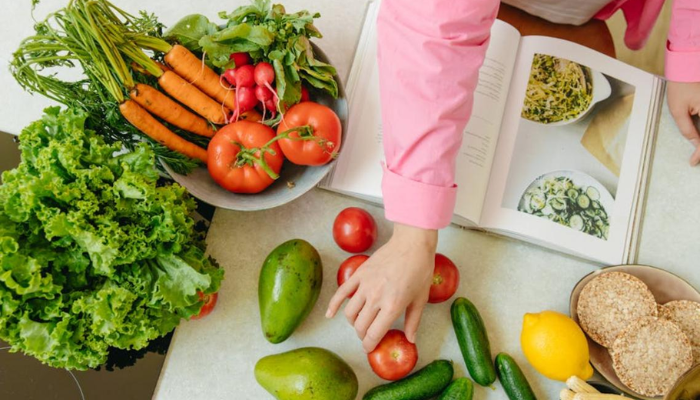
Cooking falotani is more than just preparing a meal—it is an exploration of tradition, flavor, and culinary creativity that brings together simple ingredients in a uniquely satisfying way. Whether you are discovering this dish for the first time or trying to perfect your own version, learning the process of cooking falotani opens the door to a rich and aromatic food experience. This dish is known for its comforting texture, layered flavors, and versatility, making it a favorite among home cooks who enjoy experimenting with traditional recipes.
What makes cooking falotani especially exciting is its adaptability. Depending on the region or household tradition, the dish can vary in spice level, ingredient combinations, and preparation techniques. Some versions are rich and hearty, while others are light and aromatic. Regardless of variation, the heart of cooking falotani remains the same: a careful balance of flavor, texture, and technique that transforms basic ingredients into something memorable and deeply satisfying.
What is Falotani and Its Origins
Falotani is often described as a traditional comfort dish that reflects cultural culinary heritage passed down through generations. While its exact historical origin may vary depending on regional storytelling, it is widely recognized as a recipe that emphasizes simplicity, nourishment, and community cooking. When discussing cooking falotani, it is important to understand that it is not just a recipe but a representation of home-style cuisine that connects people through shared meals.
In many cultures, dishes like falotani are created using locally available ingredients and cooking methods that require minimal equipment but deliver maximum flavor. The evolution of cooking falotani demonstrates how traditional cooking adapts over time while preserving its core identity. It is often associated with family gatherings, festive occasions, or everyday meals that require something wholesome yet satisfying.
Another interesting aspect of falotani is its flexibility across regions. Some variations may include meat-based broths, while others rely heavily on vegetables or legumes. This adaptability is one reason why cooking falotani remains popular among both traditional cooks and modern food enthusiasts who enjoy customizing recipes to their personal taste preferences.
Essential Ingredients for Cooking Falotani
The foundation of cooking falotani lies in its carefully selected ingredients, which are typically simple yet flavorful. Common ingredients include grains or dough-based components, aromatic spices, fresh herbs, and sometimes protein sources such as meat, lentils, or beans. Each ingredient plays a vital role in creating the dish’s signature taste and texture.
Spices are especially important in cooking falotani, as they provide depth and warmth to the dish. Ingredients like cumin, coriander, turmeric, and black pepper are frequently used to build a rich flavor profile. Fresh garlic and ginger are also commonly added to enhance aroma and create a balanced taste. The careful combination of spices ensures that the dish remains both comforting and flavorful without becoming overpowering.
In addition to spices, the base ingredient is equally important. Whether it is a dough-like preparation, grain mixture, or broth foundation, the base determines the overall structure of the dish. When cooking falotani, choosing high-quality ingredients ensures better texture and taste. Fresh vegetables, tender meats, or well-cooked legumes can elevate the dish from simple to exceptional, making ingredient selection a crucial step in the cooking process.
Step-by-Step Process for Cooking Falotani at Home
The process of cooking falotani begins with preparing all ingredients in advance to ensure a smooth cooking experience. This includes chopping vegetables, measuring spices, and preparing the base mixture. Organization is key, as it allows each step to flow seamlessly and helps maintain the integrity of flavors throughout the cooking process.
Once preparation is complete, the cooking process typically starts by heating oil and sautéing aromatics such as onions, garlic, and ginger. This step is essential in cooking falotani because it builds the foundational flavor base. After the aromatics are well-cooked, spices are added to release their natural oils and enhance the dish’s depth. At this stage, the kitchen begins to fill with rich and inviting aromas that signal the development of a flavorful dish.
The next step involves adding the main ingredients and allowing them to cook slowly. Whether simmering a broth or combining a dough-based mixture, patience is essential. Cooking falotani requires careful attention to heat levels and timing to ensure that flavors meld together perfectly. The dish is typically finished with fresh herbs or a final seasoning adjustment, bringing everything together into a balanced and delicious meal.
Flavor Variations and Regional Twists in Cooking Falotani
One of the most fascinating aspects of cooking falotani is its wide range of variations. Depending on the region or household tradition, the dish may be prepared in multiple ways, each offering a unique flavor profile. Some versions are spicy and bold, while others are mild and aromatic, catering to different taste preferences.
In some variations of cooking falotani, meat such as chicken or beef is added to create a richer and more filling dish. These versions often include slow-cooked broths that enhance the depth of flavor. On the other hand, vegetarian versions rely on lentils, chickpeas, or seasonal vegetables, making the dish both nutritious and accessible to a wider audience.
Modern interpretations of cooking falotani also incorporate creative twists, such as fusion spices or alternative cooking techniques. Some cooks experiment with baking or steaming methods instead of traditional stovetop preparation. These innovations allow the dish to evolve while still maintaining its traditional roots, making falotani a versatile recipe that continues to inspire culinary creativity.
Tips, Common Mistakes, and Serving Suggestions
When cooking falotani, one of the most important tips is to maintain balance in seasoning. Overuse of spices can overpower the dish, while too little can make it bland. Achieving the right balance ensures that every bite is flavorful and enjoyable. Another key tip is to cook slowly, allowing ingredients to blend naturally for a richer taste.
A common mistake in cooking falotani is rushing the process. Many beginners tend to increase heat to speed up cooking, which can negatively affect texture and flavor. Patience is essential, as slow cooking allows the ingredients to develop their full potential. Another mistake is neglecting fresh herbs, which play a crucial role in enhancing aroma and freshness.
When it comes to serving, cooking falotani pairs well with simple side dishes such as yogurt, salad, or flatbread. Garnishing with fresh herbs or a squeeze of lemon can also elevate the presentation and taste. Serving it hot ensures the best flavor experience, making it a comforting and satisfying meal for any occasion.
Conclusion
Cooking falotani is a rewarding culinary experience that blends tradition, flavor, and creativity into one satisfying dish. From understanding its origins to mastering its preparation and exploring its variations, this recipe offers endless possibilities for home cooks. Whether you prefer a classic version or a modern twist, falotani remains a dish that celebrates the joy of homemade cooking.
By following the right techniques, using quality ingredients, and allowing time for flavors to develop, anyone can master cooking falotani at home. It is a dish that not only nourishes the body but also brings people together, making it a meaningful addition to any kitchen repertoire.
FAQs About Cooking Falotani
1. What is falotani in cooking?
Falotani is a traditional-style dish known for its rich flavors, simple ingredients, and versatile preparation methods.
2. Is cooking falotani difficult for beginners?
No, cooking falotani is beginner-friendly as long as you follow step-by-step instructions and maintain proper seasoning balance.
3. What are the main ingredients used in falotani?
Common ingredients include spices, grains or dough-based elements, vegetables, herbs, and sometimes meat or legumes.
4. Can I make a vegetarian version of falotani?
Yes, vegetarian versions of cooking falotani are very popular and often include lentils, chickpeas, and vegetables.
5. How long does it take to cook falotani?
The cooking time varies, but it typically takes between 45 minutes to 1.5 hours depending on the recipe.
6. What spices are best for falotani?
Cumin, coriander, turmeric, garlic, ginger, and black pepper are commonly used for flavoring.
7. Can falotani be stored for later use?
Yes, it can be refrigerated and reheated, though fresh preparation is recommended for best taste.
8. What should I serve with falotani?
It pairs well with yogurt, flatbread, salad, or light side dishes.
9. Why is slow cooking important in falotani?
Slow cooking allows flavors to blend properly and improves the overall texture and richness of the dish.
10. Can I modify the recipe of falotani?
Yes, cooking falotani is highly flexible and can be adjusted according to personal taste and available ingredients.